
Navigating Vehicle Modification Compliance

Updated: Aug 10
Modifying a vehicle can improve performance, utility, or aesthetics. However, it is essential to ensure that all modifications comply with legal and safety standards. Failure to meet compliance requirements can lead to fines, vehicle impoundment, or insurance issues. This post outlines key considerations and practical steps to navigate vehicle modification compliance effectively.
Understanding Vehicle Modification Compliance
Vehicle modification compliance refers to adhering to laws and regulations governing changes made to a vehicle after its manufacture. These rules vary by jurisdiction but generally cover safety, emissions, and roadworthiness. Compliance ensures that modified vehicles remain safe for drivers, passengers, and other road users.
In Australia, compliance is regulated by state and territory authorities, often guided by national standards. Modifications that affect the vehicle’s structure, engine, suspension, lighting, or emissions typically require approval. For example, installing a lift kit or changing the engine management system may trigger compliance checks.
To stay compliant, it is crucial to:
Research relevant regulations before starting modifications.
Use approved parts and follow manufacturer guidelines.
Obtain necessary certifications or inspections.
Keep documentation of all modifications and approvals.
Ignoring these steps can result in costly penalties and safety risks.

Key Areas of Vehicle Modification Compliance
Several common modification types require careful attention to compliance:
Suspension and Ride Height
Raising or lowering a vehicle affects handling and safety. Regulations often specify maximum and minimum ride heights. Modifications must not compromise braking or steering systems. Certified suspension kits and professional installation help meet standards.
Engine and Emissions
Engine swaps, turbochargers, or exhaust changes can impact emissions compliance. Many jurisdictions require emissions testing after such modifications. Using approved components and tuning by qualified technicians is essential.
Lighting and Electrical Systems
Upgrading headlights, adding auxiliary lights, or changing indicators must comply with brightness, colour, and positioning rules. Non-compliant lighting can cause visibility issues or distract other drivers.
Body and Structural Changes
Adding bull bars, roof racks, or modifying chassis components may require engineering certification. Structural changes must maintain crash safety and not obstruct airbags or crumple zones.
Tyres and Wheels
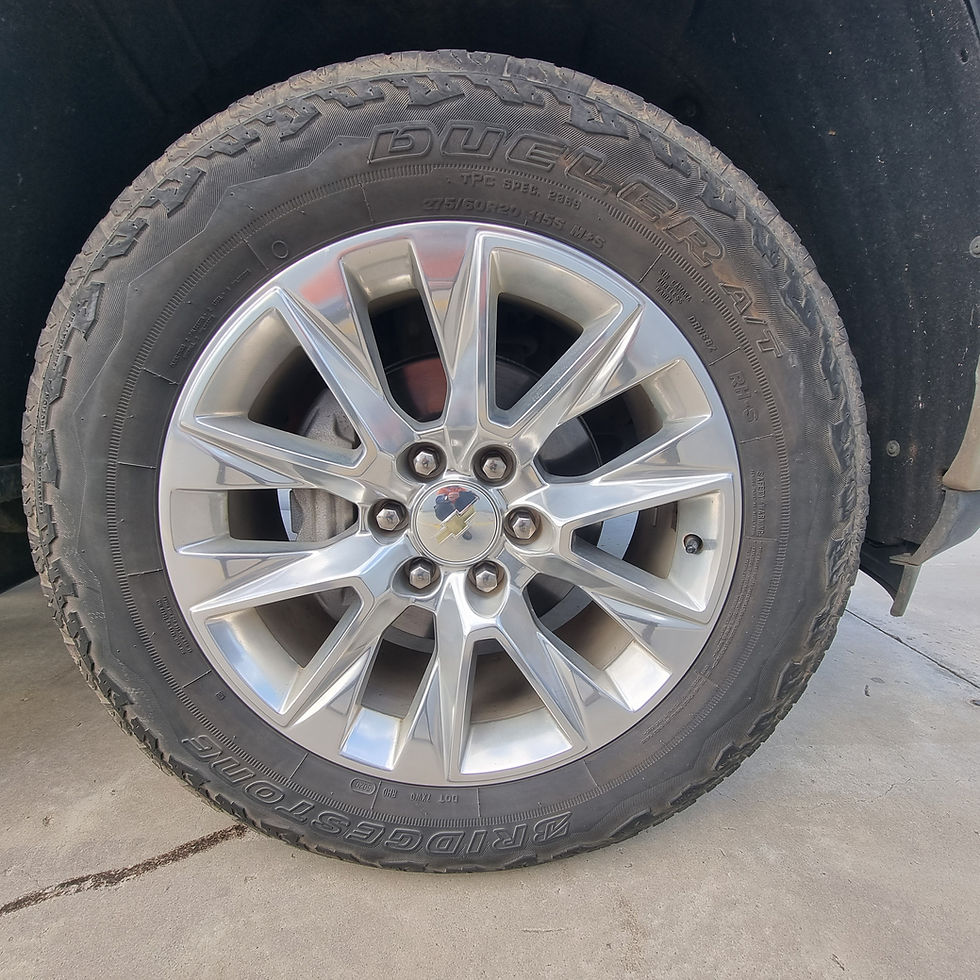
Fitting larger or wider tyres affects load ratings and speed ratings. Compliance requires matching tyres to vehicle specifications and ensuring they do not interfere with suspension or bodywork.
Steps to Ensure Compliance Before Modifying Your Vehicle
Before making any modifications, follow these steps to ensure compliance:
Consult Official Guidelines
Review your state or territory’s vehicle modification laws. Resources are often available online from transport departments or road authorities.
Engage Qualified Professionals
Use certified mechanics or engineers experienced in vehicle modifications. They can advise on legal requirements and perform compliant installations.
Select Approved Parts
Purchase parts that meet Australian Design Rules (ADRs) or other relevant standards. Avoid cheap or uncertified components.
Document All Changes
Keep detailed records of parts used, installation dates, and any certifications obtained. This documentation supports compliance verification.
Schedule Inspections
Arrange for inspections by authorised officers or engineers. Passing these inspections is often mandatory for registration or insurance purposes.
Update Vehicle Registration
Notify your local transport authority of significant modifications. Some changes require re-registration or updated vehicle descriptions.
Following these steps reduces the risk of non-compliance and ensures your vehicle remains legal and safe.

Common Compliance Challenges and How to Overcome Them
Modifying vehicles can present challenges related to compliance. Here are some common issues and practical solutions:
Unclear Regulations
Regulations can be complex or vary between regions. To overcome this, consult with vehicle engineers or compliance specialists who understand local laws.
Non-Approved Parts
Using parts without certification can invalidate compliance. Always verify part approvals before purchase.
Improper Installation
DIY modifications may not meet safety standards. Engage professionals to ensure correct installation.
Documentation Gaps
Missing paperwork can delay approvals. Maintain thorough records from the start.
Inspection Failures
Vehicles may fail compliance inspections due to overlooked details. Conduct pre-inspection checks with experts.
By anticipating these challenges, you can plan modifications that meet all legal requirements.
The Role of Engineering Certification in Compliance
Engineering certification is often required for significant vehicle modifications. This certification confirms that changes meet safety and design standards. Certified engineers assess modifications and issue compliance plates or certificates.
Certification benefits include:
Legal recognition of modifications.
Assurance of safety and roadworthiness.
Easier registration and insurance processes.
When selecting an engineer, verify their accreditation and experience. This step is critical for complex modifications such as chassis alterations or engine swaps.
For more detailed technical insights, I recommend visiting a reputable vehicle engineering blog that specialises in compliance and engineering solutions.
Maintaining Compliance Over Time
Compliance is not a one-time task. Ongoing maintenance and checks are necessary to ensure continued legality and safety. Consider these practices:
Regularly inspect modified components for wear or damage.
Keep up to date with changes in vehicle modification laws.
Renew certifications or inspections as required.
Inform authorities of any further modifications.
Maintaining compliance protects your investment and keeps your vehicle safe on the road.
Final Thoughts on Vehicle Modification Compliance
Navigating vehicle modification compliance requires careful planning, professional advice, and adherence to regulations. By understanding the legal framework and following best practices, you can enjoy the benefits of vehicle modifications without risking penalties or safety issues.
Always prioritise safety and legality in every modification. This approach ensures your vehicle remains reliable, roadworthy, and compliant with Australian standards.


Comments