
Modified Vehicle Compliance Inspection: The Essential Engineering Checklist (2026)

Updated: Sep 9
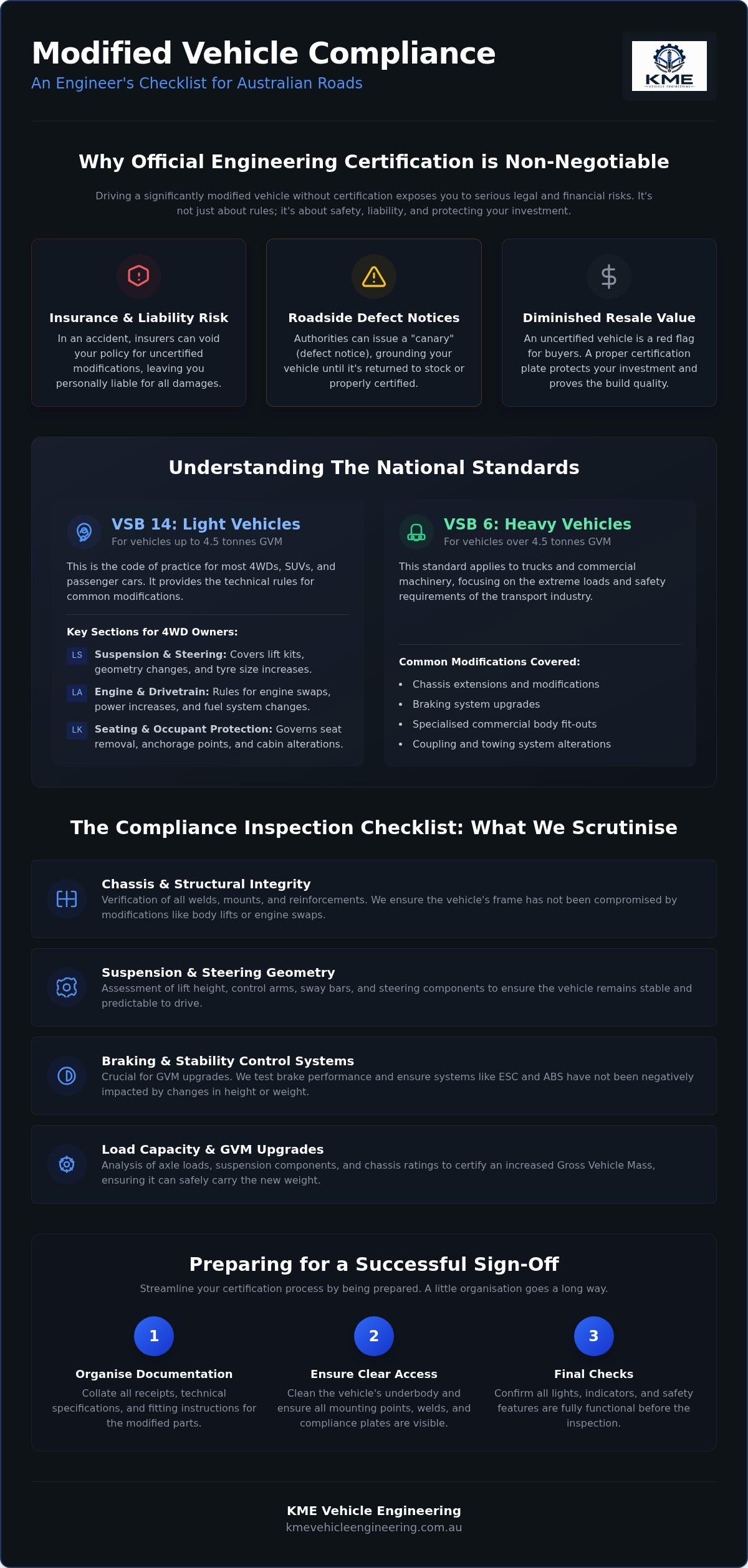
A high-performance suspension upgrade or a custom commercial fit-out is a significant investment, yet it remains a legal liability until it passes a formal modified vehicle compliance inspection. You've likely spent weeks choosing the right components for your 4WD or fleet, only to be met with the anxiety of a potential "canary" defect notice or a denied insurance claim. It's a common frustration, especially as national standards like VSB 14 and VSB 6 continue to evolve, leaving many owners confused about where the legal line actually sits.
We understand that you want a vehicle that isn't just capable, but entirely above board for heavy towing and off-roading. This article provides a clear path through the regulatory maze, promising to show you exactly what an engineer looks for during the certification process. We'll examine the essential engineering checklist for 2026, covering everything from GVM upgrades to structural repair plans, ensuring your vehicle stays safe, legal, and valuable when it's time to sell.
Table of Contents
What is a Modified Vehicle Compliance Inspection?
A modified vehicle compliance inspection is a formal engineering assessment designed to verify that any changes made to a vehicle still meet the rigorous safety and performance standards required for Australian roads. When a vehicle is first manufactured, it is granted a vehicle type approval. This certification confirms the car complies with the Australian Design Rules (ADRs), which are the national standards for safety, emissions, and anti-theft. Once you start swapping engines, lifting suspension, or increasing load capacities, that original approval may no longer be valid.
The inspection is performed by an accredited signatory engineer. Their role is to provide an objective, technical review of the modifications to ensure they don't compromise the vehicle's structural integrity or its ability to be controlled safely. It isn't just about checking if a part fits; it's about validating that the entire system works as intended under stress. For owners of 4WDs or commercial fleets, a successful modified vehicle compliance inspection results in a modification plate or certificate. This serves as legal proof that the vehicle is roadworthy and compliant in the eyes of state transport authorities.
Minor vs Significant Modifications
Not every addition requires an engineer's signature. Minor modifications, such as fitting a snorkel, basic roof racks, or a standard tow bar, generally fall under owner-certified changes, provided they don't obstruct the driver's view or exceed dimension limits. However, significant alterations trigger the need for a full inspection. These include engine swaps, body lifts, and GVM upgrades. It's a common misconception that buying "off-the-shelf" engineered parts removes the need for certification. While the part itself might be well-designed, the engineer must verify that the installation is correct and that it hasn't negatively impacted other vehicle systems like the braking or electronic stability control.
The Consequences of Non-Compliance
Driving an uncertified vehicle carries substantial risks that go beyond a simple fine. If you're involved in an accident, insurance providers frequently look for unauthorised modifications as a reason to void a policy. This can leave you personally liable for thousands of dollars in damages. On the road, police or transport authorities can issue "canary" defect notices, which often require the vehicle to be grounded until it's reverted to stock or certified. For fleet managers, uncertified modifications are a breach of Chain of Responsibility laws, creating significant corporate liability. Conversely, a certified vehicle holds its resale value better, as it offers the next buyer greater confidence that the build is legal and safe.
Beyond structural modifications, it is also helpful to understand how insurers view standard safety maintenance and repairs such as windscreen replacement; for a detailed look at how these policies work, check out Auto Glass Ottawa.
Whether you are documenting modifications or assessing damage after an incident, professional expertise is essential. For insights into how specialist assessment offices provide precise valuations and accident reports, you can learn more about Kfzgutachten-Ari.
Understanding National Standards: VSB14 and VSB6
Vehicle Standards Bulletins (VSBs) function as the technical "bible" for automotive engineering in Australia. They provide the precise blueprints that engineers use to determine if a modification is safe, durable, and legal. Without these standards, the modified vehicle compliance inspection would lack a consistent benchmark, leading to confusion between different state jurisdictions. By adhering to these national codes, owners can ensure their vehicle meets the same high safety expectations regardless of where it is registered.
VSB14, known as the National Code of Practice for Light Vehicle Construction and Modification, applies to vehicles with a Gross Vehicle Mass (GVM) of up to 4.5 tonnes. This covers the vast majority of 4WDs, SUVs, and passenger cars. For heavier machinery, VSB6 is the mandated standard. As of 2026, VSB6 Version 3.2 remains the primary authority for any vehicle exceeding 4.5 tonnes GVM. This ensures that heavy-duty modifications, such as chassis extensions or specialised commercial fit-outs, maintain structural integrity under the extreme loads typical of the transport industry.
Key Sections of VSB14 for 4WD Owners
For those modifying a 4WD for touring or remote work, three specific sections of VSB14 are most relevant during an inspection. Section LS focuses on suspension and steering, which is the most common area of scrutiny for lift kits and steering geometry changes. Section LA governs engine and drivetrain upgrades, specifying the requirements for power increases and fuel system alterations; while regulations vary, specialists like Naked Frog Vehicle Tuning demonstrate how professional engine remapping can be used to safely unlock performance potential. Finally, Section LK covers seating and occupant protection. This is vital if you are removing rear seats for a permanent drawer system or adding child restraint anchorages to a custom cabin.
VSB6 for Commercial and Heavy Vehicles
Heavy vehicle engineering requires a different level of scrutiny due to the immense forces involved in commercial transport. VSB6 dictates the rules for complex structural tasks such as wheelbase extensions, chassis reinforcement, and the installation of heavy-duty tow couplings or fifth-wheel setups. These modifications are often critical for fleet operators who need to adapt a truck for a specific industry application. If you are managing a fleet and need to navigate these requirements, reviewing our KME VSB6 guide will help you understand the technical expectations for heavy vehicle certification.
Ensuring your build aligns with these standards from the start prevents costly rework during the final modified vehicle compliance inspection. If you are unsure which specific section applies to your project, we can provide a professional engineering consultation to map out your path to legal compliance.
The Compliance Inspection Checklist: What Engineers Scrutinise
A modified vehicle compliance inspection is a forensic evaluation of how aftermarket components interact with your vehicle’s original engineering. It isn't just a cursory glance under the bonnet; it is a technical audit designed to ensure that new parts haven't introduced weak points that could lead to failure on the highway or a remote track. The signatory engineer’s goal is to validate that the vehicle remains predictable, stable, and safe under all operating conditions.
Structural integrity is the first priority. Engineers scrutinise the chassis and frame for signs of stress, fatigue, or improper welding. If you’ve added a custom tray or a chassis extension, the quality of those welds must be professional and consistent with Australian standards. We also look closely at fasteners and fittings. Every critical mounting point must use high-tensile bolts, typically Grade 8.8 or higher, with appropriate locking mechanisms to prevent loosening under the constant vibration of Australian corrugated roads.
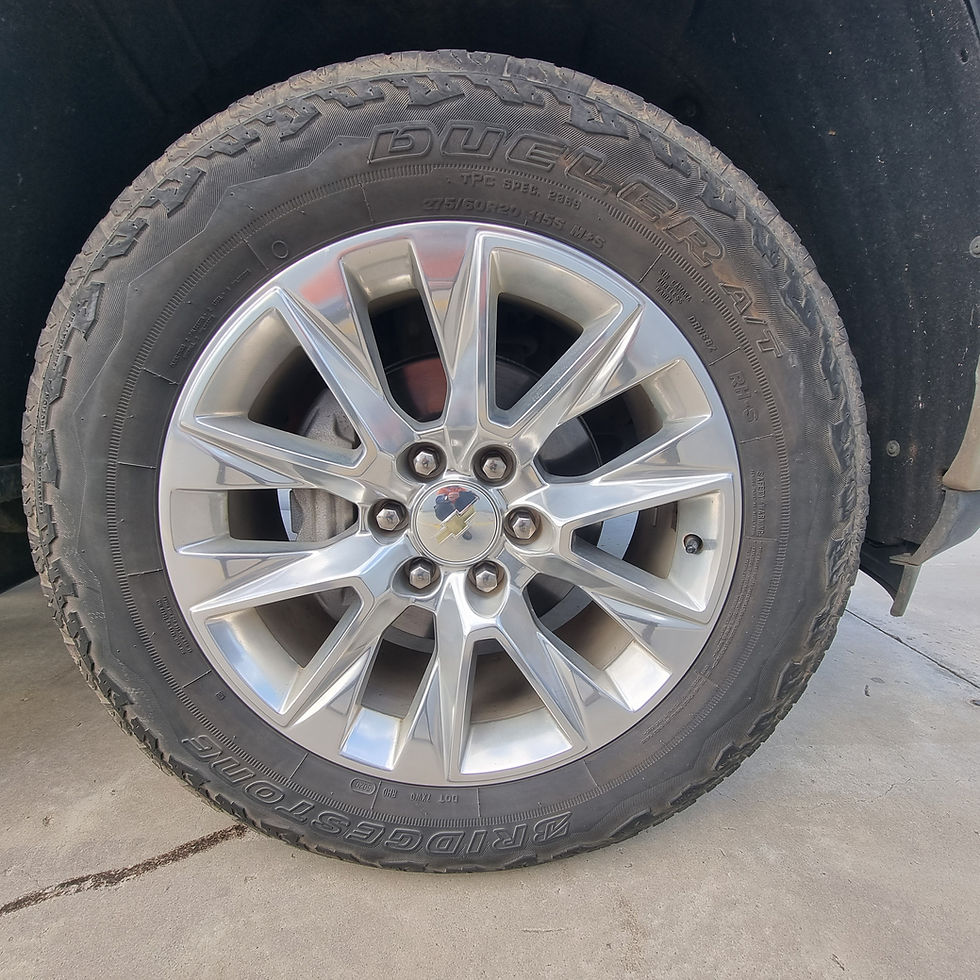
Braking performance is another non-negotiable area. When you increase a vehicle’s GVM or fit significantly larger tyres, you increase the kinetic energy the braking system must dissipate. The engineer will assess whether the factory brakes can still stop the vehicle within the distances mandated by the ADRs. In many cases, this involves practical testing to ensure the electronic stability control (ESC) and anti-lock braking systems (ABS) haven't been compromised by the changes in rolling diameter or weight distribution.
Suspension and Drivetrain Assessment
During the suspension review, we check for adequate clearance and full suspension travel under maximum load. It’s vital that tyres don't rub on the bodywork, chassis rails, or brake lines at full articulation. We also verify driveshaft angles and steering linkage alignment to prevent premature wear or binding. This is particularly important for complex builds involving 300 Series LandCruiser suspension kits, where maintaining the sophisticated factory geometry is essential for both off-road performance and legal compliance.
Chassis and Structural Repairs
Modern vehicles rely on complex crumple zones and SRS (airbag) sensors to protect occupants. Any structural modification or repair must not interfere with these safety systems. When we assess chassis and structural repair plans, we ensure that aftermarket body mounts or heavy-duty trays are positioned so they don't bypass the vehicle’s energy-absorption paths. A safe vehicle is one that performs exactly as the manufacturer intended during an impact, even after significant alterations. This level of detail provides the greater confidence that your 4WD or commercial vehicle is truly fit for purpose.
Preparing Your Vehicle for a Successful Engineering Sign-Off
Preparing for a modified vehicle compliance inspection starts long before you arrive at the engineering centre. A tidy vehicle isn't just about aesthetics; it's a functional requirement for a thorough assessment. Engineers must have a clear line of sight to every weld, bracket, and mounting point. Thick layers of mud, red dust, or grease hide potential structural issues, which may lead to a request for a re-inspection after the vehicle has been cleaned. Ensure all aftermarket components have legible part numbers or ADR compliance stamps. If an engineer cannot verify the origin of a component, they cannot certify it.
For those pursuing GVM or GCM upgrades, an accurate weighbridge certificate is non-negotiable. This document provides the baseline weight of the vehicle as it sits, which is essential for calculating the remaining payload and ensuring axle loads remain within safe limits. You should obtain this certificate from a public weighbridge after all permanent modifications, such as bull bars and trays, are installed but before the vehicle is loaded with personal gear or camping supplies.
The Importance of Early Consultation
Engaging an automotive engineering service at the beginning of your build is the most effective way to avoid the re-work trap. We often see owners who have completed permanent modifications only to find they don't meet national standards. Consulting with an engineer early allows us to review your plans and provide structural repair plans that guide your mechanic. This proactive approach ensures every step of the build is compliant, saving you time and significant costs in the long run.
Technical Documentation Requirements
You must compile a comprehensive folder of technical documentation to support your application. This includes receipts for all parts, material certificates for custom-fabricated components, and any installation photos taken during the build process. If your modification is complex, such as a major engine swap or significant suspension change, we may also require specific brake test results or evidence of GVM upgrade compliance for specific kits. Having this information organised and ready allows the engineer to verify the build's integrity quickly, leading to a smoother modified vehicle compliance inspection experience.
If you are ready to finalise your build and ensure it meets all legal requirements, you can book your vehicle compliance inspection with our team to secure your engineering certificate.
Professional Certification with KME Vehicle Engineering
KME Vehicle Engineering approaches every modified vehicle compliance inspection as a collaborative partnership rather than a mere regulatory hurdle. We recognise that your vehicle is a vital tool for work or a highly personalised asset for remote touring. Our engineering team combines technical mastery with a solution-oriented mindset, ensuring that even the most complex builds meet the required safety standards. We specialise in high-stakes certifications, including GVM upgrades and heavy vehicle certification, providing a steady hand to navigate the intricate requirements of the NHVR and state authorities.
While many certifiers avoid non-standard or "weird" engineering puzzles, we embrace them. Whether you're integrating an unconventional commercial fit-out or engineering a bespoke suspension solution for a 300 Series LandCruiser, we provide the expertise to make it legal. This innovative spirit is tempered by a deep respect for the rules; our goal is always to enable your vision while maintaining unwavering safety and structural integrity. By choosing a specialist who understands the nuances of Australian conditions, you gain the greater confidence that your vehicle is 100% legal, insured, and ready for the road.
National Compliance Expertise
Our team maintains a comprehensive understanding of national standards, ensuring a seamless sign-off process for both individual owners and fleet operators. We provide detailed vehicle modification reports that serve as a significant value-add for vehicle resale and a critical shield against corporate liability. These reports verify that every structural change, from chassis reinforcements to custom trays, meets the necessary ADRs. From certified structural repair plans to complex drivetrain assessments, we offer the technical depth required to validate your investment. If you're managing a fleet of commercial vehicles or a custom 4WD build, our expertise ensures your modifications are recognised and respected across all Australian jurisdictions.
Ready for Your Inspection?
The path from modification to legal certification doesn't have to be a source of anxiety. By following the engineering checklist and engaging with professional certifiers early in the process, you ensure your build is safe and compliant from the first turn of the key. A successful modified vehicle compliance inspection is the final step in securing your vehicle's future on Australian roads. It's about more than just a sticker; it's about the technical verification that protects your passengers and your assets. Don't leave your insurance coverage or safety to chance. If you're ready to finalise your build or need guidance on a complex engineering challenge, enquire with KME Vehicle Engineering today to book your engineering consultation.
Securing Your Vehicle's Legal Status for the Long Haul
Finalising your vehicle build with a formal engineering certificate is the only way to protect your investment and ensure your safety. It moves your project beyond the workshop and into the realm of legal, road-ready performance. By adhering to the technical requirements of VSB14 and VSB6, you guarantee that your vehicle remains compliant with Australian Design Rules. A successful modified vehicle compliance inspection doesn't just clear a defect notice; it provides the structural verification needed for insurance greater confidence and higher resale value; to see how this impacts your specific vehicle, My Car Value provides accurate digital valuations for Australian owners.
KME Vehicle Engineering brings expertise in VSB6 and VSB14 national standards to every project. We specialise in GVM, GCM, and ATM upgrade certifications, offering solution-oriented engineering for even the most complex or unconventional modifications. Our team is here to guide you through the regulatory maze with precision and technical authority.
Don't leave your compliance to chance. Get the expert sign-off you need to drive with confidence across Australia.
Frequently Asked Questions
How much does a modified vehicle compliance inspection cost?
The cost of a modified vehicle compliance inspection varies depending on the complexity of the alterations and the specific testing required. A straightforward component check is generally less involved than a full GVM upgrade or a structural assessment that requires practical brake testing. Because every build is unique, you should contact an engineering specialist to get a tailored quote based on your vehicle's specific modifications and technical requirements.
Do I need an engineering certificate for a 2-inch lift kit?
A 50mm (2-inch) suspension lift is often classified as a basic modification that may not require a certificate if it complies with the VSB14 guidelines for your specific state. However, if you combine that lift with larger tyres or a body lift that exceeds the total legal height increase, an inspection becomes mandatory. It's vital to check your local transport authority's limits, as exceeding the combined lift threshold without certification can affect your insurance coverage.
Can I get a GVM upgrade on a used vehicle?
Yes, GVM upgrades are available for both new and used vehicles, though the certification pathway differs. For an in-service vehicle already registered in an Australian state, the upgrade is certified via a state-based modification plate rather than the federal Second Stage Manufacture (SSM) process. The vehicle's chassis, suspension, and braking systems must be in excellent condition to pass the rigorous engineering assessment required for the increased load rating; experts like Thurton Auto Centre can provide the comprehensive servicing and repairs necessary to ensure your vehicle is prepared for such an inspection.
What is a VASS or modification plate, and do I need one?
A VASS certificate or a modification plate is the official evidence that your vehicle's changes are legal and safe. While terminology varies by state, such as VASS in Victoria or an Approved Person certificate in Queensland, the purpose remains the same. You need one for any "significant" modification, including engine swaps, major suspension changes, or seat removals. This plate stays with the vehicle and provides essential evidence supporting compliance for roadside authorities and insurance providers.
Does an engineering certificate from one state work in another?
Most Australian states recognise modification plates issued in other jurisdictions when a vehicle is sold or a resident moves interstate. While national standards like VSB14 provide a consistent technical framework, the administrative transfer process depends on the local transport authority. You may be required to present the original engineering report to the new state's registration body to ensure the modified vehicle compliance inspection meets their specific registration criteria.
How long does a vehicle modification sign-off usually take?
The duration of the sign-off process depends entirely on the complexity of the project and the quality of your documentation. A standard physical inspection might be completed in a few hours, but finalising the engineering report and issuing the modification plate can take several business days. If your build requires specialised performance testing, such as a lane-change or brake test, you should plan for a more extended timeframe to ensure all data is accurately captured.
What happens if my vehicle fails the compliance inspection?
If a vehicle fails an inspection, the engineer will provide a detailed list of the technical issues that must be rectified. This is a common part of the process for complex builds and serves as a professional roadmap to make the vehicle safe. Once the mechanic or owner addresses the non-compliant items—a task where the expertise of a reputable garage like DSR Autocare is invaluable—a follow-up inspection is conducted to verify the fixes. After the engineer is satisfied that the vehicle meets all ADRs, the final certification is issued.
Do I need an inspection for a custom ute tray or commercial fit-out?
A standard replacement ute tray usually doesn't require certification if it doesn't exceed the vehicle's original width or rear overhang limits. However, if the fit-out involves chassis modifications, wheelbase extensions, or significantly increases the vehicle's kerb weight, an inspection is necessary. Commercial fit-outs that alter the vehicle's structural integrity or load-carrying characteristics must be certified to ensure they remain safe for heavy-duty use and compliant with Chain of Responsibility laws.


Comments