
Project Spotlight: Medium Truck VSB6 Approvals (D3, E3, F1, G4 & M1)

Updated: Aug 18
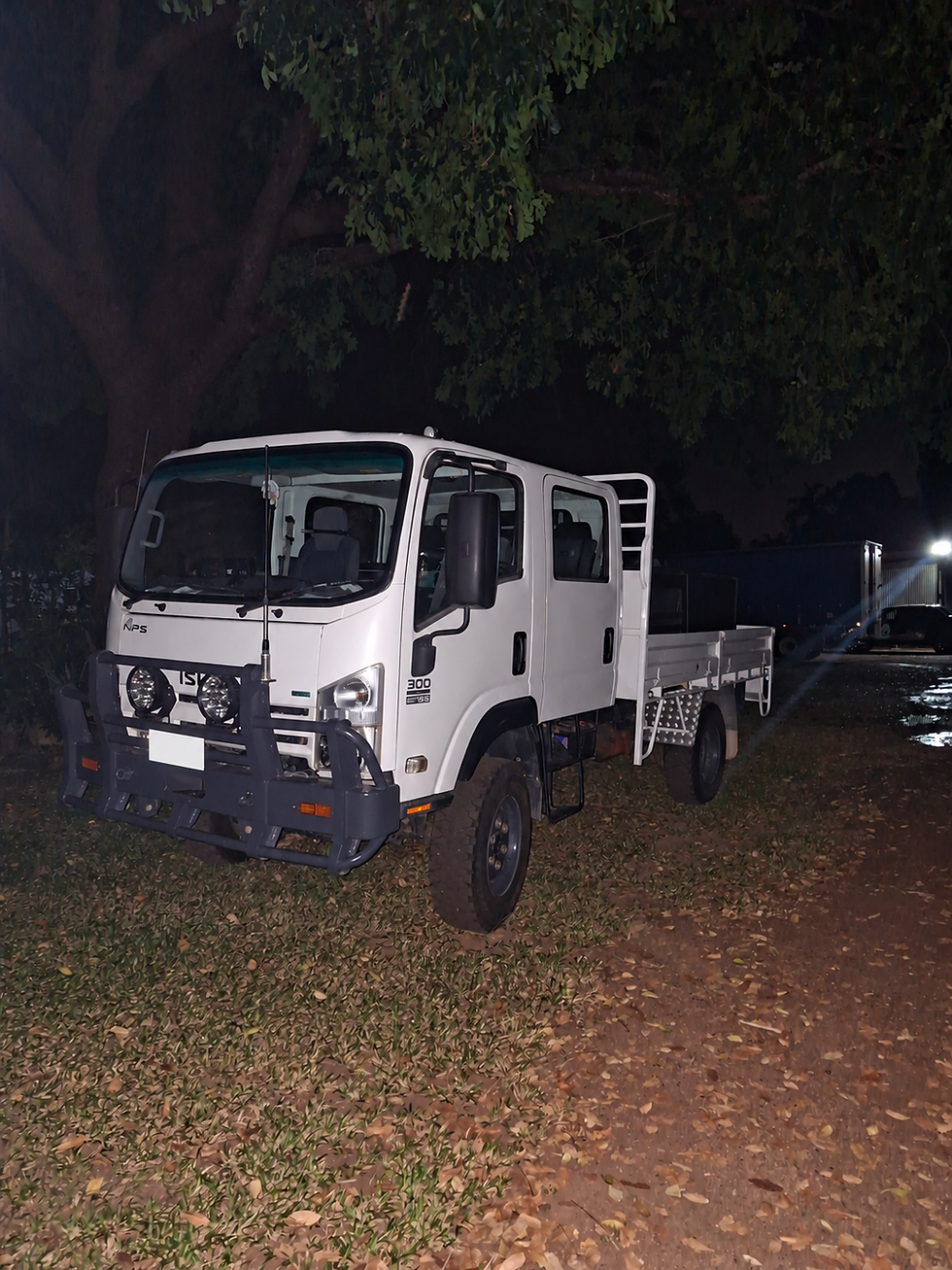
Medium and heavy trucks rarely arrive at certification with just one modification to assess. This project involved a medium truck requiring VSB6 approval across five separate modification codes at once — D3 (non-standard rear wheels), E3 (non-standard front wheel), F1 (suspension substitution), G4 (brake system certification) and M1 (fuel system alterations) — assessed and certified as a single, coordinated compliance package.
Why Multiple VSB6 Codes at Once Is the Norm, Not the Exception
A single modification rarely happens in isolation on a working truck. Change the wheels and tyre package, and axle loads shift. Substitute the suspension, and braking performance needs re-verification. Alter the fuel system, and mounting and protection requirements change. Treating each system separately misses how they interact — which is exactly what VSB6's code-based structure is designed to capture.
The Five Modification Codes in This Job
D3 — Non-standard rear wheels: verifying load rating, offset and clearance against the truck's axle group rating
E3 — Non-standard front wheel: same verification process applied to the steer axle
F1 — Suspension substitution: confirming the replacement suspension system meets load, ride height and stability requirements for the vehicle's GVM
G4 — Brake system certification: verifying stopping performance is maintained or improved following the other modifications
M1 — Fuel system alterations: assessing mounting, protection and compliance of any changes to the fuel system
Each code has its own evidence requirements under VSB6 — some needing component specifications and manufacturer data, others requiring physical inspection and testing. Assembling all five into one coherent submission is the difference between a straightforward approval and a drawn-out back-and-forth with the regulator.

Why This Matters for Truck Owners and Fleet Operators
If you're modifying a medium or heavy truck — new wheels, a suspension change, a fuel system upgrade, or any combination — it's worth having an engineer assess the whole picture before work starts, not after. Modifications that look independent (new wheels, a suspension swap) often trigger requirements in systems you weren't planning to touch, like braking or steering. Getting the full scope right the first time avoids re-work, re-inspection, and delays getting the truck back on the road.
Heavy vehicle work like this falls under VSB6 rather than the light-vehicle VSB14 standard — see our full guide to VSB6 compliance for how the code system works, or get in touch to discuss a certification for your truck.
The Result
All five modification codes — D3, E3, F1, G4 and M1 — were assessed, evidenced and approved as a single coordinated submission, giving the truck a complete, defensible compliance record covering every system affected by the modifications.

Comments